
17 October 2026 By PS Harish
15 tool categories to build the business behind your storefront Launching an online store feels like the hard part. The catalog is ready, checkout works and the first orders begin to arrive. Then the work spreads. A customer asks where their package is. A supplier needs a purchase order. Stock on the website disagrees with […]

Blog, CRM, E-Commerce, MarTech
2 September 2026 By PS Harish
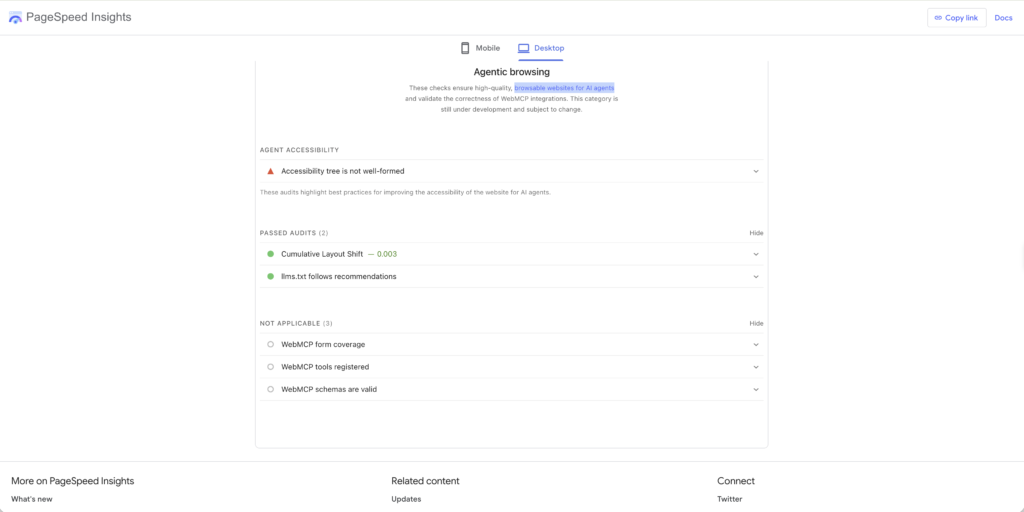
Your marketing automation is not working because one or more of seven things quietly broke: dirty data, disconnected tools, stale workflow logic, misfiring triggers, no clear owner, low team adoption, or no real definition of “success.” Most stalled platforms suffer from two or three of these at once, which is why a quick fix rarely […]
Blog, E-Commerce, MarTech Audits, Revenue Growth
20 August 2026 By PS Harish
A few weeks ago I got into it with an e-commerce founder. My argument was simple: a lot of low-consideration buying is about to stop being a human activity. Dish soap. Printer ink. The water filter you replace every six months. Nobody enjoys those purchases. Nobody comparison-shops them. They are pure friction, and friction is […]
Blog, E-Commerce, Growth Marketing
10 August 2026 By PS Harish
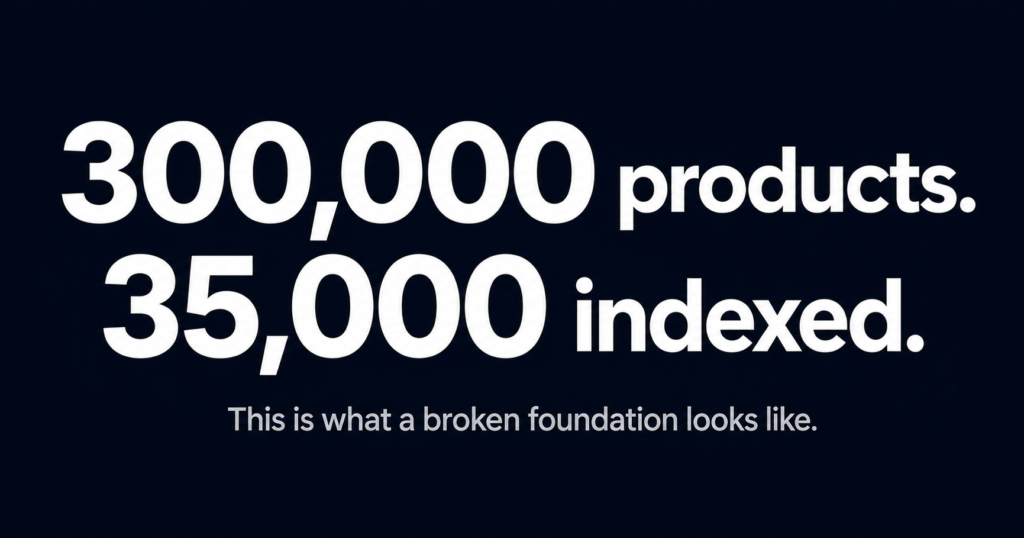
A look at why ecommerce businesses plateau — and what’s actually blocking the ceiling. Most ecommerce businesses aren’t failing because of bad strategy. They’re failing because they’re building on a broken foundation — and the revenue keeps coming in just enough to hide it. I’ve worked with a couple of founders who had this exact […]
Blog, E-Commerce, Growth Marketing
29 July 2026 By PS Harish
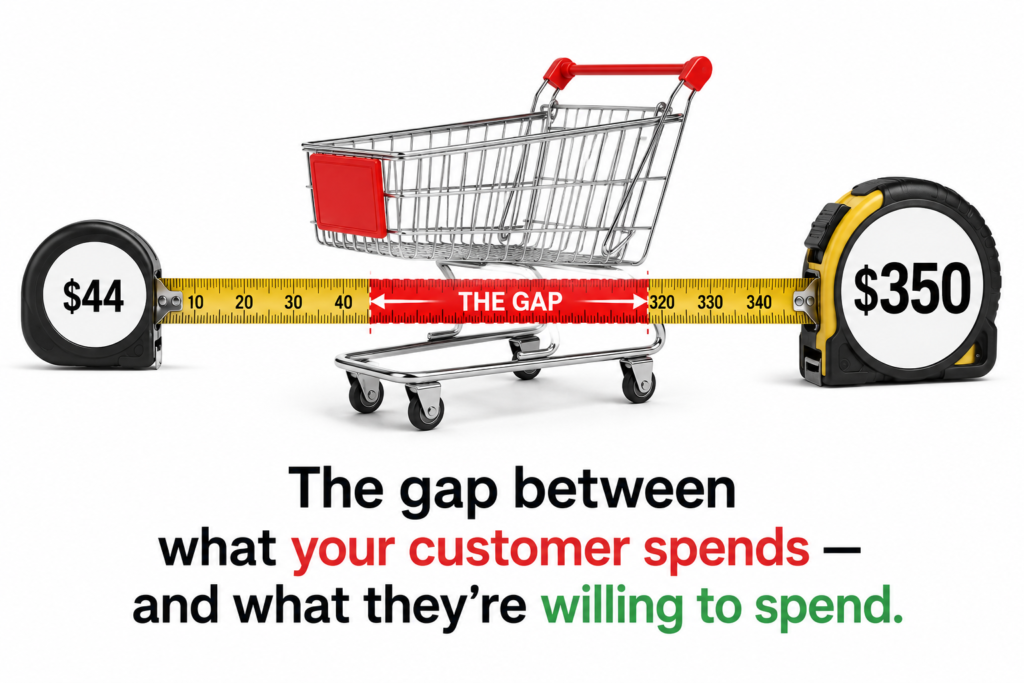
Every e-commerce growth conversation eventually lands on the same three levers: In practice, 80% of the effort goes to the first one. Most of what’s left goes to the second. The third — Average Order Value (AOV) — is almost always the most neglected, despite often being the fastest to move. Here’s why that’s a […]