28 August 2026 By PS Harish
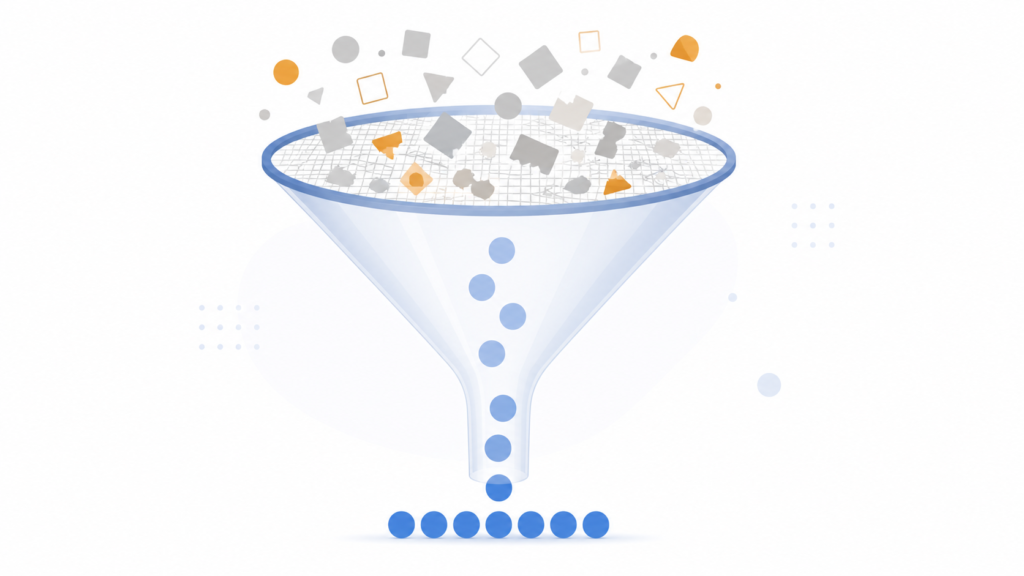
In the last post I laid out the damage. About 80% of a company’s marketing automation doing nothing but repairing data. Six fields all holding the same thing. Over 150,000 records belonging to nobody. And a cleanup so large it had turned into a risk nobody would approve. This post is the other half: how […]

25 August 2026 By PS Harish
Bad CRM data is never one big problem. It is the same six small ones, in company after company. I have now worked inside about ten CRM systems, across different companies, industries and platforms. I have never once found one where keeping the data clean was a real job that someone owned and someone funded. […]
Blog, E-Commerce, MarTech Audits, Revenue Growth
20 August 2026 By PS Harish
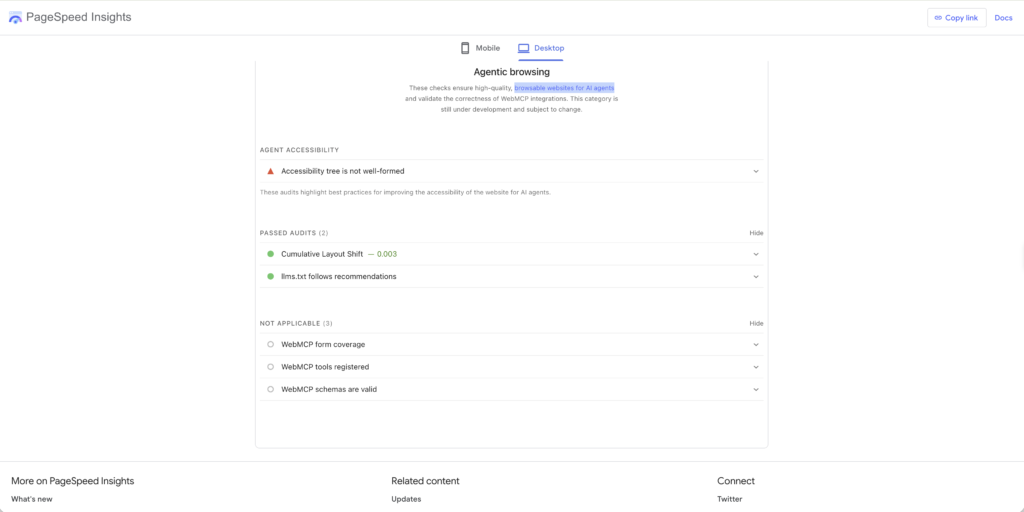
A few weeks ago I got into it with an e-commerce founder. My argument was simple: a lot of low-consideration buying is about to stop being a human activity. Dish soap. Printer ink. The water filter you replace every six months. Nobody enjoys those purchases. Nobody comparison-shops them. They are pure friction, and friction is […]
AI, Blog, Digital Strategy, MarTech Audits, Revenue Growth
16 August 2026 By PS Harish
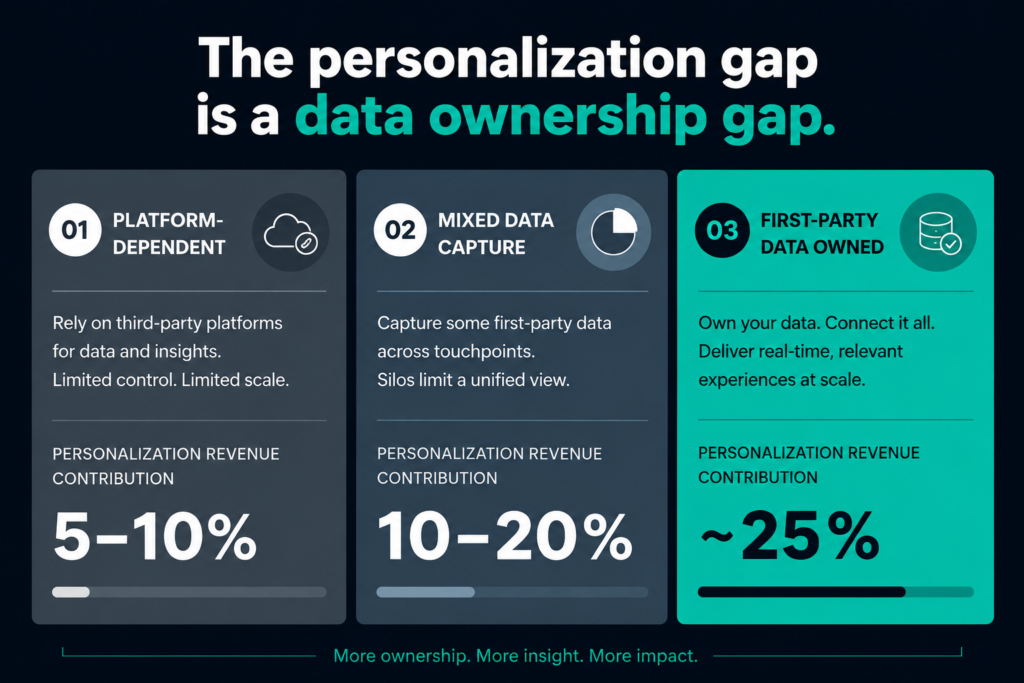
McKinsey calculated the prize. Nobody told companies what’s actually blocking them from claiming it.
Blog, E-Commerce, Revenue Growth
8 July 2026 By PS Harish
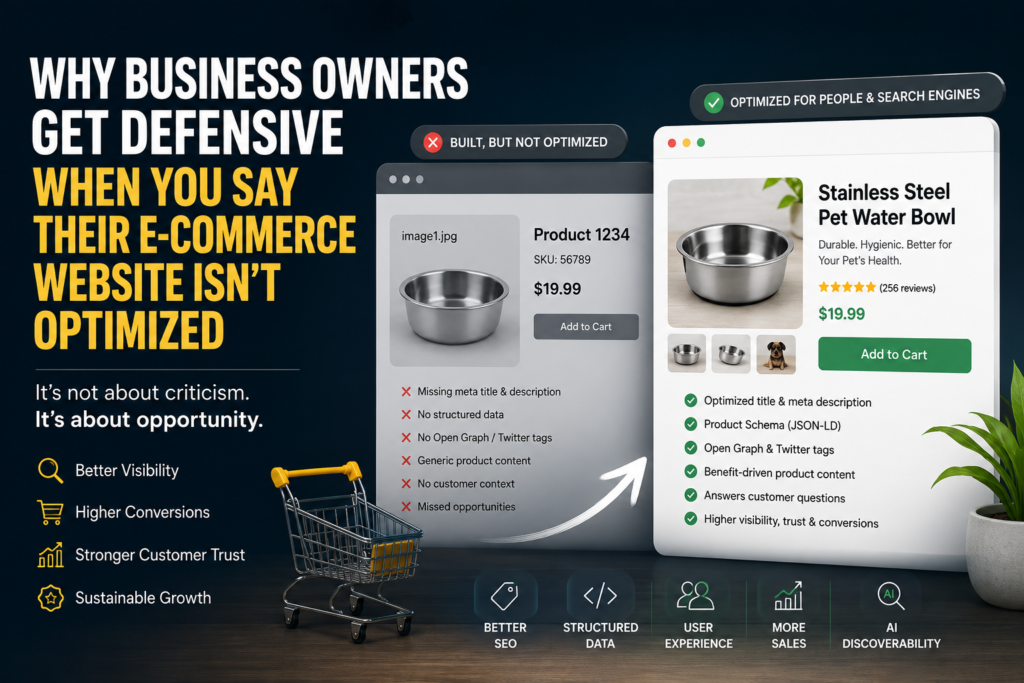
“But we already spent a fortune building it.” I’ve heard this response more times than I can count. I’ll review an e-commerce website and point out a few observations: These aren’t one-off mistakes — they’re the same patterns that kept showing up across ten different DTC brands, the ones I broke down in 10 Reasons […]